Read about clinician scientists in our department. These spotlights may help facilitate ways for trainees to find potential mentors and/or examples of the pathways to becoming involved in both research and clinical work. Learn how and why some of our faculty and trainee clinician scientists got started in research.
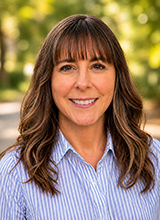 Jessica Jenness, PhD
My path to becoming a clinical scientist was shaped by a longstanding interest in understanding how we can translate what we learn about mental health etiology into better care for young people. My initial interest in clinical science began at the University of Wisconsin–Madison, where I studied how early adversity shapes children’s emotional development. After graduation, I joined the NIMH as an Intramural Research Training Awardee, working with Dr. Daniel Pine to investigate the neurobiology of mood disorders in youth. With mentorship from Dr. Pine and colleagues, I pursued doctoral training in child clinical psychology at the University of Denver with Dr. Benjamin Hankin, studying how environmental context and biological factors contribute to depression risk and how individual vulnerabilities influence treatment response.
I joined the University of Washington/Seattle Children’s as a psychology resident in 2014, followed by an NICHD T32 postdoctoral fellowship through the Harborview Injury Prevention and Research Center. During this training, I became increasingly interested in understanding why depression treatments work better for some young people than others. With mentorship from Drs. Kate McLaughlin, Elizabeth McCauley, and Pat Areán, I received an NIMH K23 career development award that launched my Adolescent Depression and Intervention Innovation lab as a faculty member in UW’s Department of Psychiatry & Behavioral Sciences. My K23 research examined how factors such as responsiveness to rewarding experiences and exposure to adversity shape treatment response. In parallel, I collaborated with UW’s Human Centered Design & Engineering department as part of an ALACRITY Center funded R03 to develop digital tools to improve adolescent engagement in depression care.
Today, my research bridges research on mechanisms of adolescent depression treatment response with the development and testing of digital depression interventions. I lead two clinical trials with collaborators at UW and in North Carolina investigating how just-in-time digital supports can improve key treatment targets and, ultimately, enhance depression care. I have also extended my research through collaborations on studies developing and implementing innovative approaches to adolescent suicide prevention and crisis care.
Mentorship and collaboration have been central to my development as a clinical scientist, and I strive to provide similar opportunities for trainees across career stages. One of the most rewarding parts of my work is helping trainees develop their own research questions and identities as clinician-scientists. I enjoy supporting trainees to translate clinical observations into rigorous research that can ultimately improve care for young people and their families.
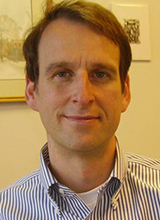
Stephen Thielke, MD, MS, MA
I ended up doing research because I got to know some admirable researchers, and I wanted to emulate them. I worked in the UW School of Dentistry well before medical school as an “Instructional Technician,” which involved laying out and printing (onto physical slides!) lots of PowerPoint talks, and troubleshooting various technical problems. I ended up developing a method for estimating very small distances on dental casts, and with a lot of encouragement from the dentists, wrote three publications about it.
In medical school I got to know Frank Vincenzi in the pharmacology department, and he regaled me with stories about his mentor, who would spend six months pondering an experiment which took a single day to run but answered the question perfectly. During residency and fellowship, my inspirations came mainly from psychiatrists, in particular Ed Walker, Jűrgen Unűtzer, Ken Hammond, Mark Sullivan, and Soo Borson. I realized that what I really enjoyed was not so much the idea of research, but rather collaborating with other people in defining and answering questions that no one had addressed before. I initially worked on chronic pain in older adults, technologies for aging, and mental health services. I later focused on geriatric depression, self-rated health, dementia medications, weight loss in aging, symptom trajectories, and a number of other topics that do not exactly connect. An advantage to having this non-focused (I prefer this to “scattered”) trajectory is working with people from a lot of disciplines, and picking up threads from years ago, as recently happened when I started mentoring someone on a project about momentary activity monitoring, which closely resembled work I did 20 years ago.
Fast forward – after serving as IRB Chair at the VA for five years, I took an offer to do clinical work in the inpatient geriatric psychiatry unit at Northwest. I look forward to coming to work every day. I cherish our staff and patients, and the privilege of helping patients’ families understand the challenges of mental illness. I do a lot of mentoring, advise on other people’s research, serve as an editor for two journals, review grants, and am writing a chapter for UpToDate. I honestly don’t miss doing my own research because I stay in contact with a bunch of people who do really interesting work, and see the results of my efforts every day. My background in research has given me a well-tuned “skeptical meter” that I can use to assess new methods and results, and I try to encourage the trainees I work with to develop healthy skepticism.
Michele Bedard-Gilligan, PhD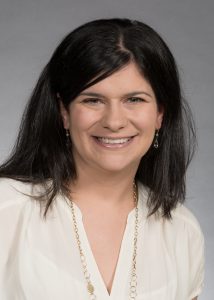
I knew in elementary school that I wanted to work in mental health. Over the years I waffled a bit but not enough to abandon my interest. During my undergraduate training at the Pennsylvania State University (I was born and raised in Philadelphia) I worked in a psychology lab focused on worry and anxiety, completed an honors thesis, and was hooked on a career in research. After graduation I moved to Boston to work at the Veterans Affairs hospital as a full-time research coordinator. There I found the topic area that continues to be most meaningful to me – understanding adaptive and maladaptive trauma responses.
I applied to doctoral programs with a focus on mentors that conducted clinical research on PTSD and ended up at the UW working with Dr. Lori Zoellner in the Department of Psychology. Dr. Zoellner, who to this day is one of my closest collaborators, shaped my career more than anyone else. She trained me to think like a clinical scientist, conducting research trials that use bench-to-bedside approaches to answer meaningful questions around the who, how, and why of recovery following trauma exposure. I went on to complete residency and fellowship here at the UW with a focus on integrating understanding of PTSD and addictive behaviors, and I became a UW Psychiatry faculty member in 2012.
As faculty, I have continued my work on the overlap of PTSD and substance misuse. I co-direct the Trauma Recovery and Resilience Innovations (TRI) Program alongside the wonderful and talented Dr. Kristen Lindgren and I am Associate Director of Dr. Zoellner’s Center for Anxiety and Traumatic Stress. Alongside my collaborators, I conduct treatment development studies and clinical trials to make our behavioral interventions more targeted, effective, and accessible. I continue to work clinically, seeing patients at the Roosevelt Outpatient Clinic and providing clinical supervision and teaching to psychiatry and psychology residents, fellows, and community clinicians. These interactions help me devise clinically applicable and relevant research questions that need answering. I provide research and professional mentorship to students, residents, and fellows, a rewarding and meaningful part of my job. I am fortunate to have built a career that aligns with my values, gives me autonomy to pursue my interests, and allows me to work with a supportive, brilliant, and empathic group of people. I am grateful for opportunities to mentor those earlier in their career trajectories as they develop their professional identities.
Amritha Bhat, MD, MPH
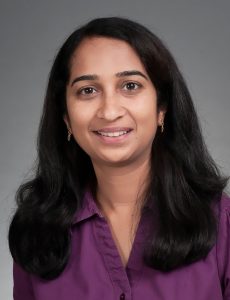 My journey to becoming a clinician scientist and educator began with my medical degree and psychiatry residency in Bangalore, India. I entered medical school with the goal of becoming a pediatrician, but a psychiatric clerkship toward the end of training sparked an interest in mental health and changed my career path. During residency and as junior faculty in India I developed a particular focus on perinatal mental health and the intergenerational consequences of untreated peri natal mental health and substance use disorders. My residency dissertation – Maternal prenatal psychological distress and temperament in 1-4 month old infants – was my first experience of the challenges and rewards of taking a research project from conception to completion, navigating manuscript submissions, rejections, and ultimately, publication. I also spent a brief period working as an investigator on industry sponsored clinical trials which taught me valuable lessons about research operations and the intersection of science and clinical care.
Two decades and another psychiatry residency plus a research fellowship later, my curiosity and commitment to this field remains strong. My clinical work in the Reproductive Psychiatry and Women’s Mental Health clinic at OPC and the Perinatal Telepsychiatry clinic, and my consultation work for the Perinatal Psychiatry Consultation Line directly inform my research, supported by grants from NIH, CDC and philanthropic sources, focusing on designing scalable strategies to close gaps in perinatal mental health care with attention to the parent – child dyad. I’m fortunate to have benefited from outstanding mentorship in research, clinical care, administration and policy development from Drs. Srinivasan, Khan, Katon, Unutzer, Fortney, Cowley and Ratzliff to name a few! As Director of the PERC (Perinatal mental health and SUD Education, Research and Clinical Consultation) center, I remain committed to training the next generation of clinicians and researchers.
Anna Sunshine, MD, PhD

I decided to become a psychiatrist after my third-year required psychiatry clerkship at Harborview as a UW MD/PhD student. I enjoyed the extra time afforded to patient interviews and I appreciated the compassionate and practical stance taken when caring for patients. I remember clearly my attending musing how little we understood about how the brain worked compared with our understanding of other organs like the kidney or the heart. My scientist antennae perked up! A vast field of unanswered questions; this could be interesting.
My research background was in the original genetic workhorse: baker’s yeast (Saccharomyces cerevisiae) where I studied aneuploidy. I knew I wanted to integrate genetics and genomics tools into addressing open research questions in psychiatry. This meant I needed 1) to identify a psychiatric disorder with a strong genetic basis and 2) learn some cellular neuroscience skills because, unfortunately, yeast don’t have brains. As I explored psychiatry clinical care and research areas, I realized a gap existed between the scientists researching mechanisms underlying schizophrenia and the clinicians caring for patients with this disorder: there were very few people doing both. As a physician-scientist I felt that I might be able to bring something useful to this specific area.
I feel truly lucky to have been able to bring these often-separate areas together within my career over the last 5 years. Excellent co-mentorship by Drs. Jack McClellan, Mary-Claire King and Jessica Young facilitated by a NIMH K08 award has been instrumental in supporting my early career. I have been able to work long-term with patients with schizophrenia as a member of an outpatient recovery treatment team at Harborview. I love my clinical work, appreciate getting to know patients and families over years and I think my experience with the diversity of presentations of schizophrenia informs how I think about researching this disorder. I enroll patients and families for genetics research in schizophrenia and value this different way of connecting with patients and families. Finally, I have learned how to grow neurons from patient-derived induced pluripotent stem cells which allows me to model genetic changes found in patients with schizophrenia in the lab. Hopefully, one day, by using genetic information and stem-cell based systems, we will be able to offer more personalized diagnosis, prognosis and treatments for patients with schizophrenia.
Debby Tsuang, MD, MSc
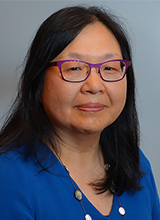
I chose psychiatry as that was one of the most satisfying clinical fields for me. In addition, I felt that there was a lot that could be done in research, aside from clinical trials. Drs. Elaine Peskind and Murray Raskind were instrumental in my decision and development as a clinician scientist and encouraged me to pursue my passion. When I first came to the UW, I wanted to pursue research in genetics of schizophrenia but there was no senior mentor who was suitable. Because of Murray and Elaine, I switched into Alzheimer’s disease, then genetics, and then became interested in the neurodegenerative disorder that had a lot of behavioral disturbances, dementia with Lewy bodies. Of course, I need to mention my father, Dr. Ming Tsuang, a pioneer in schizophrenia and psychiatric genetics research, for his continual mentorship throughout my career.
For the past 14 years, I have been the Director of the VA’s GRECC Memory Disorders Clinic. I see patients one day a week and would say that, not only does it keep me anchored in my clinical roots, it also gives me great research ideas. For example, I was seeing a Veteran who I thought could have early dementia with Lewy bodies but he was not willing to undergo a sleep study to document REM sleep without atonia. So, I thought that if we could have remote monitoring devices, that would help overcome this obstacle. This became the basis of one of my funded grants, passive monitoring of sleep and physical activity in early diagnosis of dementia. It’s wonderful to be able to combine my clinical observations with research projects. I think that I am able to contribute to providing excellent clinical care for my patients, but also to give them hope that their participation in research will advance science and hopefully help people who develop these debilitating disorders in the future.
Since we are not going to live forever, I think that it’s critical that we pass on as much of our knowledge as possible. Trainees are our future, especially in this era that fewer physicians are going into research, I think that we owe it to the generations that have mentored us to pass the torch. This career is not an easy road, but it can be extremely satisfying. It is gratifying to see your ideas result in publications and for others to build on the foundations that you have contributed to.
Nathan Sackett, MD, MS

My path to becoming a clinician scientist began when I was a resident physician completing my adult psychiatry training. I saw patient after patient presenting to psychiatric emergency rooms, inpatient units, medical ER’s, and outpatient clinics struggling with the complexities of addiction. As my understanding of addiction increased, so did my frustrated with our treatments. I increasingly felt that therapy or medications were rarely powerful enough to evoke the change needed at a rate that was useful. Around this time, I began to hear stories of folks using a range of psychedelics in a therapeutic setting and seeing amazing results. So, I did what every good trainee does- I scoured the literature and devoured everything I could find about psychedelics. When I read some of the recent studies, I felt I had to pursue it further.
I tried to find anyone in my department or the university doing working in this area, for which there was none. I started the Psychedelic Interest Group and joined the behavioral pharmacology lab of my mentor, Dr. John Neumaier. Now fast forward a few years – I completed my adult psychiatry residency, finished my work in Dr. Neumeiers Lab, completed my addiction psychiatry fellowship and I joined the faculty at the University of Washington. I joined the faculty at UW with the explicit goal of studying how we may use psychedelics to treat addiction, resulting in today’s meeting and the creation of the Center for Novel Therapeutics in Addiction Psychiatry (NTAP).
NTAP started the first state funded psilocybin clinical trial and we’re about to see our first research participants in-person. It’s been a steep learning curve to learn the complexities of doing psychedelic research, but I believe the work will pay off. I also run the Psychedelic Harm Reduction Clinic and can be directly involved in the care of patients who seek to use these substances. It is extremely rewarding to apply the research I am doing directly to the care of my patients, and have my patients inform my research.
Rebecca Hendrickson, MD, PhD
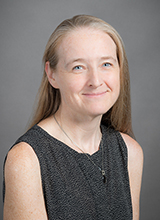
I have a dream job: I work 25% in the PTSD outpatient clinic and on our DBT team, and 75% running clinical trials focused on the biology and treatment of trauma and PTSD. I love that my clinical work directly and continuously informs my research and visa versa. For example, chronic non-specific somatic symptoms like nausea and chronic pain are present at high rates in PTSD, but we know little about why and whether our treatments address them. Similarly, fear of reactive aggression and anger is a common concern for Veterans with PTSD, but doesn’t necessarily respond as robustly to our usual treatments. To address these, our research work now includes detailed assessments of how changes in cardiovascular autonomic regulation relate to symptom burden in PTSD, and how changes in dopamine and noradrenaline regulation after trauma relate to anger and reactive aggression.
I took a longer route to get here than was probably required. After an MD/PhD program at Washington University in St. Louis I joined the UW residency program. I participated in the research track, but also completed extensive therapy training, and I cut to part time when I had my second kid. After residency I completed a research fellowship in the VA MIRECC. This allowed me to train in clinical research, which is very different from my PhD work (basic neuroscience). Learning to run interventional clinical trials is an increasingly rare but valued skill set; I feel fortunate to be able to include this in my career, and enjoy providing opportunities for residents to participate as well. I work with residents both as a primary research mentor, and, for residents interested in learning a bit more about analyzing and publishing clinical trials data, on analyses of existing data from our recent trials.
Jesse Fann, MD, PhD
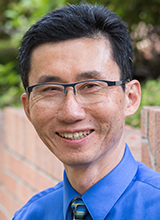
Jesse Fann’s path to becoming a clinician scientist has taken several twists and turns. He was an electrical engineering major in college but, after discovering a fascination with neuroscience and medicine, decided to attend medical school, where he became interested in brain and behavior and decided to specialize in psychiatry. In residency at UW, he developed an interest in neuropsychiatry and C-L psychiatry, so decided to embark on a research project during his R4 year under the mentorship of the late Dr. Wayne Katon. Only then did he realize his passion for clinical research, which led to a T32 research fellowship with Dr. Katon and a faculty position in the psychiatry department in 1995. Over the years, Jesse’s ongoing and diverse clinical roles (inpatient, partial hospital, ECT, C-L, outpatient) have informed many research ideas and funded projects. His current role as Director of the Clinician Scientist Training Program brings together his 30 years of clinical, research, teaching, and administrative leadership experience toward helping to develop and support the next generation of clinician scientists.
 Suelynn Ren, MD, PhD
I’ve spent a disproportionate amount of time thinking about uncertainty—both as an existential experience seemingly intrinsic to academia, and as a computational problem during my PhD in the Kepecs Lab.
It speaks to my own ignorance, and a certain arrogance in my biological reductionism, that I didn’t expect to find uncertainty so central to psychoanalytic thought. But we ask remarkably similar questions: How much do we trust our own experience of the world? How are our expectations shaped by the past? How do we know when a fundamental rule in our internal model of the world needs to change?
That last question has become particularly compelling to me in the context of trauma, which is prevalent and remarkably diverse in its clinical presentation. Now, in my third year of psychiatry residency, learning cognitive behavioral therapy has me chewing on a familiar problem: change-point detection. How do we recognize when the rules governing our world have changed, and how much evidence does it take before we’re willing to reconsider them?
Currently, I’m working with Dr. Rebecca Hendrickson as a small part of an amazing team studying the relationship between autonomic nervous system functioning and cognition in the setting of trauma. Leveraging decades of work in perceptual decision-making, we’ve adapted a classic random-dot motion task to study how people sample information and adapt their decisions under uncertainty. We’re interested in understanding how sensory evidence is translated into subjective confidence, how confidence influences information-seeking behavior, and whether these relationships differ across trauma-related symptoms.
Ultimately, I want to combine clinical practice and research. I’m interested in the tension and overlap between psychotherapy case formulations and computational models – whether a small set of interpretable cognitive variables can explain meaningful patterns of behavior and point towards processes that can be investigated at the neural circuit level.
Rachel A Lockard, MD, MPH

I am a 4th year psychiatry resident at University of Washington and the current Harborview Inpatient Psychiatry Chief. I grew up in California before moving to Portland, Oregon for college. I ended up staying for my Master of Public Health degree in Health Policy and medical school at Oregon Health & Science University. This coming year I will be on the UW Psychiatry Residency Addiction Track and most of my clinical rotations will be focusing on the care of individuals with substance use disorders (SUDs) and I am hoping to apply to Consult-Liaison Psychiatry Fellowship this year.
I am interested in care at the intersection of addiction, incarceration, homelessness, and ways to help patients navigate complex medical and social systems. I was very lucky to get involved in addiction research focusing on implementation science and qualitative analysis during my graduate studies almost ten years ago and I can’t imagine doing anything else. I especially love the use of qualitative research to uplift the voices of chronically silenced communities.
Currently, I am involved in research examining SUD screening in carceral settings. This work includes a systematic review evaluating the psychometric properties and clinical utility of diagnostic and screening tools that have been validated in jail and prisons settings. This is part of a broader NIH-funded qualitative research study exploring opioid use disorder screening and HIV risk assessment in Washington Department of Corrections (DOC) prisons and included interviews with incarcerated and recently released individuals as well as correctional staff.
In the simplest terms, I love research because it is another tool to improve the lives and care of chronically marginalized individuals. Without better understanding the intersecting barriers and structural forces (i.e. poverty, racism, sexism, trauma, criminalization) that are impacting our patients, we can’t hope to change them. Research can be another tool to dismantle the stigma ingrained in our medical systems by informing policy and changing clinical practice to better serve our patients.
I hope to have a future career in academic, public psychiatry where I can work alongside amazing researchers and clinicians as well as the opportunity to educate trainees across the medical education spectrum. I hope to continue to use my clinical experiences to guide research and policy aimed at improving the care of people who use drugs or are in recovery.
Kseniya Shin, MD, PhD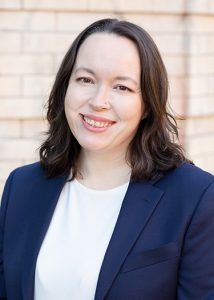
From an early age, I was drawn to the understanding of human biology often reading a medical encyclopedia past my bedtime. This passion inspired me to seek the unique vantage point afforded to a clinician-scientist culminating in my current position as a graduating 4th year Research Chief Resident in the University of Washington’s Psychiatry Residency Research Program and as an incoming 2026-2028 MIRECC Research Fellow at the Veteran’s Affairs Puget Sound.
My PhD training provided me with a strong foundation in the development of instrumentation for spectroscopic and imaging techniques to study anything from particles to cells and more complex organ systems. Through this work, I learned data science modeling and analysis techniques while extracting salient information as I applied my physics background. Advanced studies in chemistry and clinical training in pathology taught me a descriptive quantitative framework for studying biological processes.
Throughout training, I learned best from experiences shared by patients. I found the stories where current treatments fell short were most effective in driving my dedication to research. That is why I found the work by Dr Rebecca Hendrickson and Dr John Oakley so important. Their work is studying interconnected psychiatric and somatic symptoms of a diverse range of stress- and trauma-related disorders including PTSD, long-Covid, and POTS to improve treatments for patients through innovative mechanistically driven approaches in clinical studies. With their mentorship, I embarked on developing expertise in EEG and autonomic nervous system measurements. With the generous support of the CSTP award and Garvey Foundation, I am currently contributing to the evolving knowledge of phenotypically diverse PTSD and developing an EEG and ANS characterization-based toolkit. With a robust approach to characterize alterations of stress-regulatory processes, I am well poised to tackle other intersecting areas ranging from catatonia to perinatal psychiatry in a clinician-scientist career of inquiry.
Rob Chen, MD, PhD

I’m a 3rd year Psychiatry resident at the University of Washington’s Psychiatry Residency Research Program (PRRP). I grew up in California to two immigrant parents from Taiwan, so much of my childhood and beliefs today are shaped by that. I fell into Psychiatry somewhat accidentally in medical school during my second-to-last clinical rotation, and since then, I have never looked back! Outside of work, I love spending time with my wife and two dogs (Taro is our German Shepherd and Azuki is our Pomsky), playing pickup basketball, cooking, reading non-fiction, and grabbing coffee or a drink with friends.
My research interests include trying to answer, “what is a ‘psychiatric disorder?” Throughout the history of the field, we have leveraged observation of clinical symptoms (often self-reported) to generally group people together and prescribe treatment. This introduces substantial noise and heterogeneity that impacts all aspects of treatment, starting from recruitment in a clinical trial to deciding which patient gets what treatment in the clinic. I am interested in finding better ways of defining psychiatric disorders that are rooted in shared neurobiology, rather than nosology. I hope to use such a framework to move therapeutics for serious mental illness toward mechanism-based (i.e. target a causal pathway) rather than empirical (i.e. throwing darts at a board) discovery.
I currently have three major research thrusts: First, I am working with Dr. Debby Tsuang to find biomarkers for Schizophrenia. I use state-of-the-art unsupervised machine learning to uncover the underlying structure of patients with schizophrenia and compare them to how we would define groups of patients using clinical diagnosis alone. Second, I am developing artificial intelligence-based tools to understand the genetics of serious mental illness. Third, I am building better preclinical models for serious mental illness by studying gene mutations in five neuropsychiatric disorders.
My research is inspired by the patients for whom we had no good treatments for. Medicine as a whole is excellent at delivering care. But who advances care? How do we push the frontier of who we can help? That has always been North Star. Who I see in the clinic shapes research questions that I can explore in the lab. And the work I do in research is embedded in improving the lives of patients who previously didn’t have good options.
Alexis Carnduff, MD
I am currently a Consultation-Liaison Psychiatry fellow at the University of Washington, where I also completed my psychiatry residency and served as the Harborview Medical Center CL and Psychiatric Emergency Services Chief Resident from 2024 to 2025.
Clinically, my work spans diverse, high-acuity settings, including the Harborview Psychiatric Emergency Department, the long-term civil commitment unit at Northwest Hospital, and soon, CL services at Swedish Hospital as a moonlighter. I am passionate about medical education and deeply value opportunities to teach and mentor medical students and psychiatry residents, particularly in the nuanced practice of psychiatry within general medical environments.
My research interests include mood disorders, particularly bipolar disorder, personality disorders, and quality improvement initiatives aimed at optimizing psychiatric care in hospital-based settings. With support from the CSTP Trainee Research Award, I am preparing a manuscript on the translation and cultural adaptation of a measurement-based bipolar disorder care protocol from English to Spanish. This work seeks to expand access to evidence-based assessment and treatment for Spanish-speaking patients, addressing language and cultural barriers that often delay diagnosis and appropriate intervention.
Prior to this project, my experience in research was limited. I viewed the CSTP award as an opportunity to meaningfully engage with the process from conceptualization, to data collection, to dissemination. The mentorship and structured support I received through CSTP demonstrated how scholarly inquiry can yield valuable tools that directly inform clinical practice. It was so valuable and satisfying to see this process from start to finish.
Looking forward, I aim to maintain an academic career that integrates clinical care, research, and teaching. I am particularly committed to fostering the development of future trainees who, similar to me, do not have background in research to instill interest and excitement in an otherwise intimidating area of medicine!
Megan Lee, MD

I grew up in Memphis, Tennessee, and studied Biology and Art History at Vanderbilt University, where I first became interested in the intersection of biology and the human experience. After college, I attended the Yale School of Medicine, where my early research focused on the complex relationship between pain and addiction. Working with veterans in a smoking cessation and pain management trial, I became fascinated by how substance use, physical pain, and substance use intertwine—an interest that continues to shape both my research and clinical work today.
Currently, I am a psychiatry resident at the University of Washington on the Research Track, where I care for patients across inpatient, outpatient, and emergency settings. My work focuses on individuals living with addiction and co-occurring psychiatric conditions, and I draw heavily from psychodynamic and trauma-informed approaches in my practice. I am currently completing psychodynamic therapy training through the Seattle Psychoanalytic Society and Institute, deepening my understanding of the unconscious processes that influence recovery and resilience.
My research aims to improve how we identify and treat substance use disorders within routine healthcare. I am leading a project examining how changes in alcohol screening scores (AUDIT-C) relate to mental health outcomes over time, supported by grants from the Clinician Scientist Training Program and the Resident & Fellow Physician Union Northwest. I hope to build a career in academic psychiatry that integrates patient care and research—using data-driven insights and psychotherapy to better serve individuals whose struggles with addiction often go unseen or undertreated.